PEA, PFS and DFS: what mining studies actually tell you
Between a drill result and a producing mine lie several studies of very different standing. Which they are, what their numbers are worth, and how to tell how far along a project really is.
Carsten Schmider4 min read
In brief
The three levels
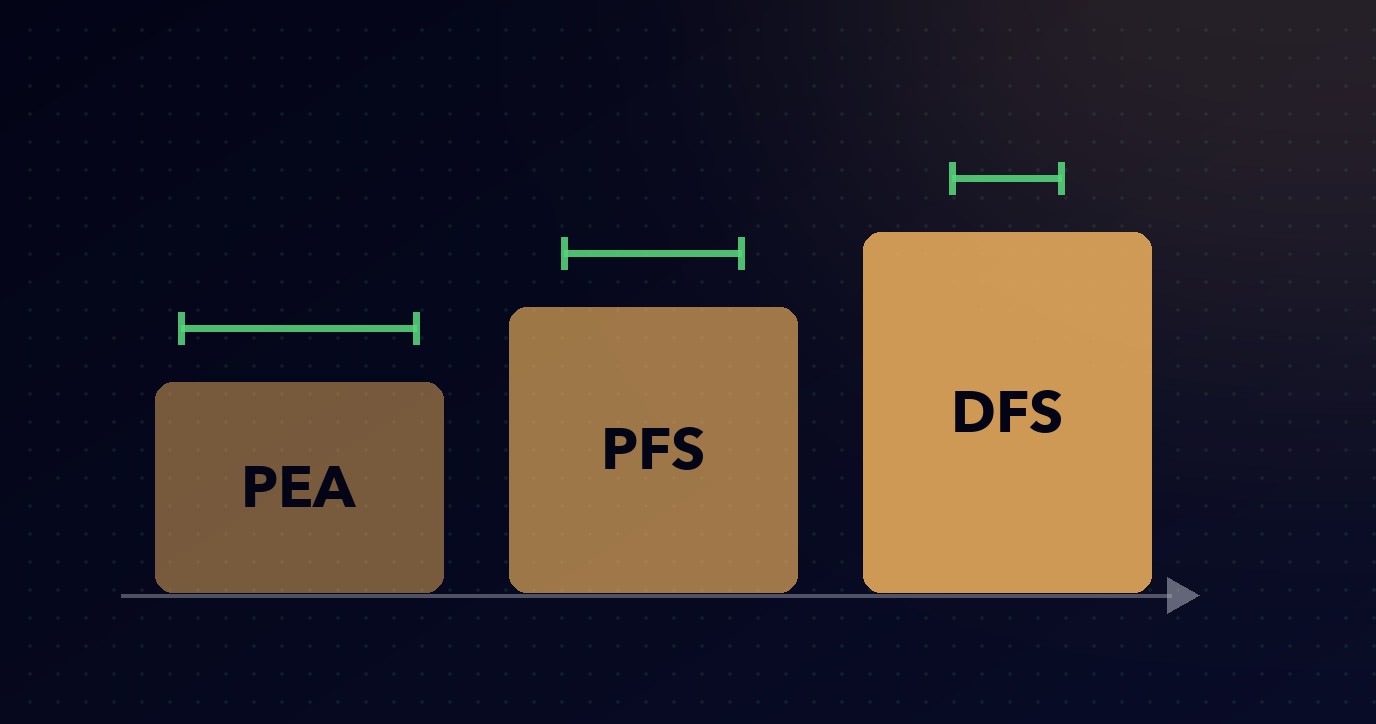
The PEA — preliminary economic assessment, often called a scoping study — is the first rough calculation. It asks whether a project could be economic at all. Its cost estimates carry a wide margin of error, and it may include material not yet classified as a reserve.
The pre-feasibility study narrows this down. The mining method is fixed, the cost estimate becomes more precise, and only material that reaches reserve classification may be counted.
The feasibility study, sometimes called bankable, is the basis for construction finance. It is the most precise, costs millions and often takes a year or more.
Why the sequence drives the share price
Each level is a bottleneck. Projects regularly fail between PEA and pre-feasibility because the more precise calculation does not confirm the rough one. For investors the decisive question is therefore not what the study shows, but which study it is.
A high return in a PEA and the same return in a feasibility study are not comparable. The second has been tested; the first is a reasoned hope.
Where to look first in a study
The assumed commodity price. It sits in the assumptions, not the headline. If it is well above the current market price, the result has been calculated to where it looks good.
The sensitivity analysis. It shows what happens if the price is ten or twenty per cent lower. If a project only works at the top price, that is the most important figure in the document.
The capital cost. A company with a fifteen-million market capitalisation whose study envisages a four-hundred-million build will not fund that alone. Either a partner arrives, or shareholders are heavily diluted, or the project is sold.
The timeline. Permitting takes years in many jurisdictions. A schedule without room for objections is optimistic.
Frequently asked questions
Is a PEA worthless?
No. It is a legitimate first step and the only sensible calculation for an early project. It becomes a problem only when its numbers are communicated as if they were settled.
Why do so few explorers ever build a mine?
Because every stage demands money, time and permits, and few companies have all three. The usual path for a successful project is not self-build but sale to a larger producer.
What does “bankable” mean?
That the study meets the standard of precision lenders require for project finance. It is not a seal of quality for the returns, but a statement about the reliability of the estimate.

Carsten Schmider
Analyst for small and micro caps in the German-speaking market. Running his own research house since 2003, focused on the OTCBB, TSX-V and ASX segments.
More about the author